When Operational Complexity Outgrows Off-the-Shelf Tools
Off-the-shelf platforms solve discrete problems. Operational systems must coordinate interconnected ones.
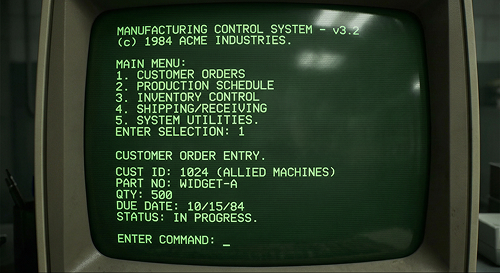
As mid-market companies grow, supply chain, RevOps, HR, finance, and logistics rarely evolve in sync. What begins as practical tool adoption gradually becomes architectural misalignment.
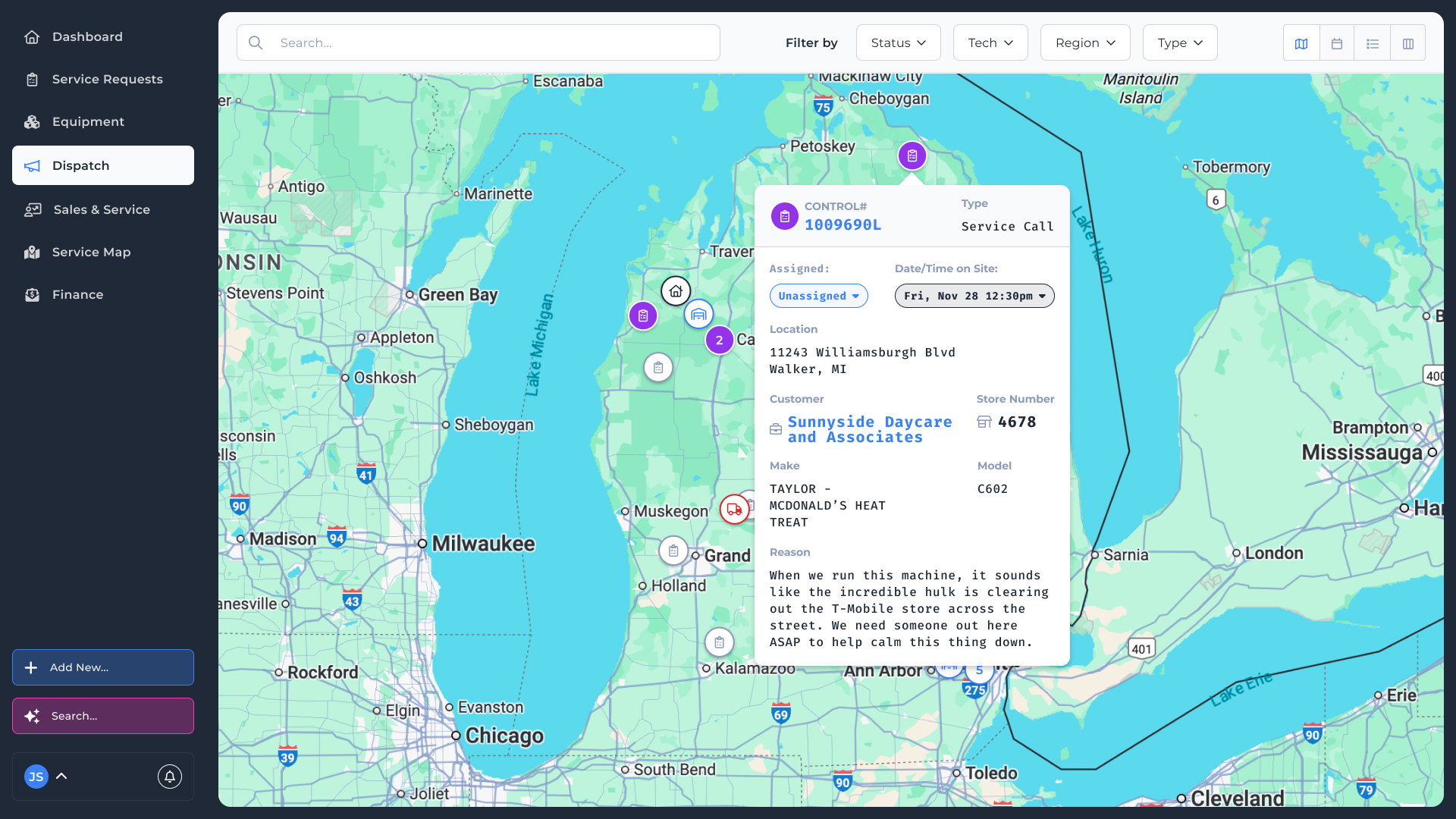
Common indicators that off-the-shelf systems are no longer sufficient include fragmented data, manual reconciliation, integration fragility, reporting latency, and increasing dependency on institutional knowledge.
Fragmentation Creates Hidden Operational Drag
Tool sprawl often starts with good intentions. Each department selects software to solve a local constraint. Over time, those systems stop aligning.
Data definitions drift across platforms. Integrations become brittle. Spreadsheets emerge to bridge reporting gaps. Teams export, normalize, validate, and reconcile — manually.
The organization does not lack software. It lacks structural coherence. People become the integration layer, and operational time shifts from execution to correction.
Structural Risk Compounds as the Organization Grows
Fragility rarely announces itself — it accumulates.
A failed integration delays fulfillment. A logic change in one platform disrupts another. Workarounds become permanent. Critical workflows depend on a few individuals who understand how everything connects.
As transaction volume increases — more SKUs, more vendors, more customers, more compliance requirements — edge cases multiply. Leadership expects real-time visibility, but the architecture was never designed for scale.
At this point, adding another tool increases surface area. It does not resolve the structural constraint.